Skip to content
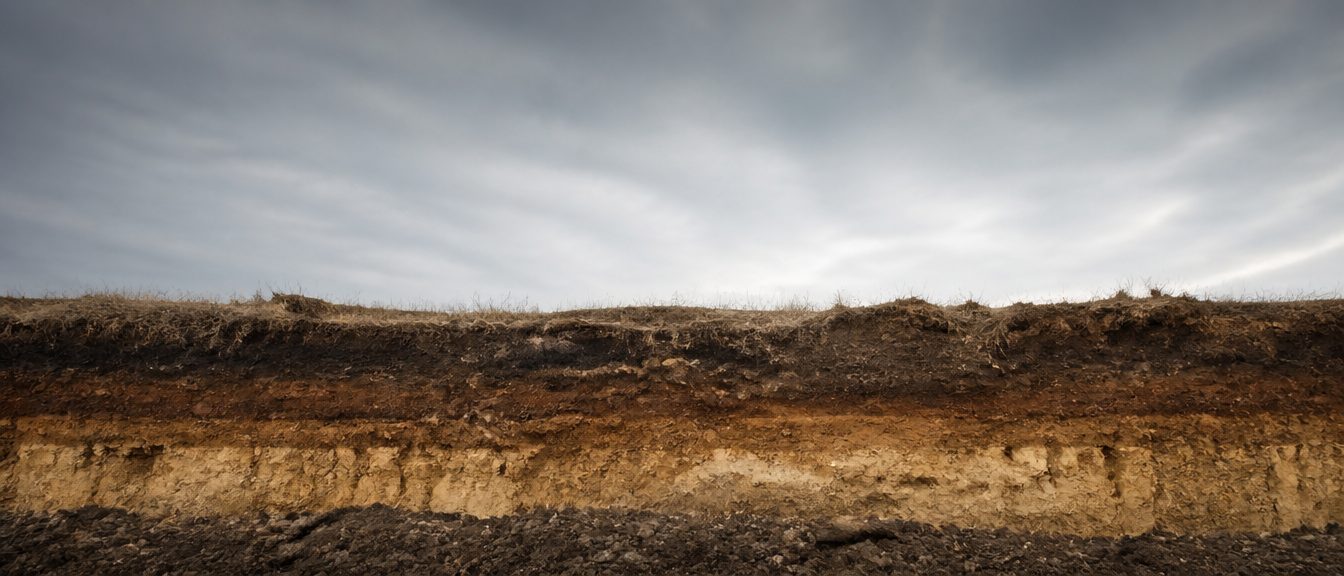
Exposed layered soil strata in an excavation, Soil Investigation Services

Which soil are you building on?

Six ground types, what each one does under load, the trouble it causes, and the foundation that suits it. Written for engineers, developers and anyone about to buy a plot.

Drag the core to spin it. Click a layer to read it.

A borehole log in miniature. This is roughly what a 6 metre core looks like on a coastal Karachi site: made ground over sand, over stiff clay, over dense gravel, sitting on rock.

Selected layer

Topsoil and made ground

Loose, variable and full of organics or rubble. Never found on. It is stripped out before anything structural begins.

0.0 to 0.8 m
0.8 to 2.4 m
2.4 to 4.2 m
4.2 to 5.4 m
5.4 to 6.0 m

From best case to bring an engineer.

Ranked roughly by how happily they carry a building. None of them is unbuildable. Each one just needs a different answer.

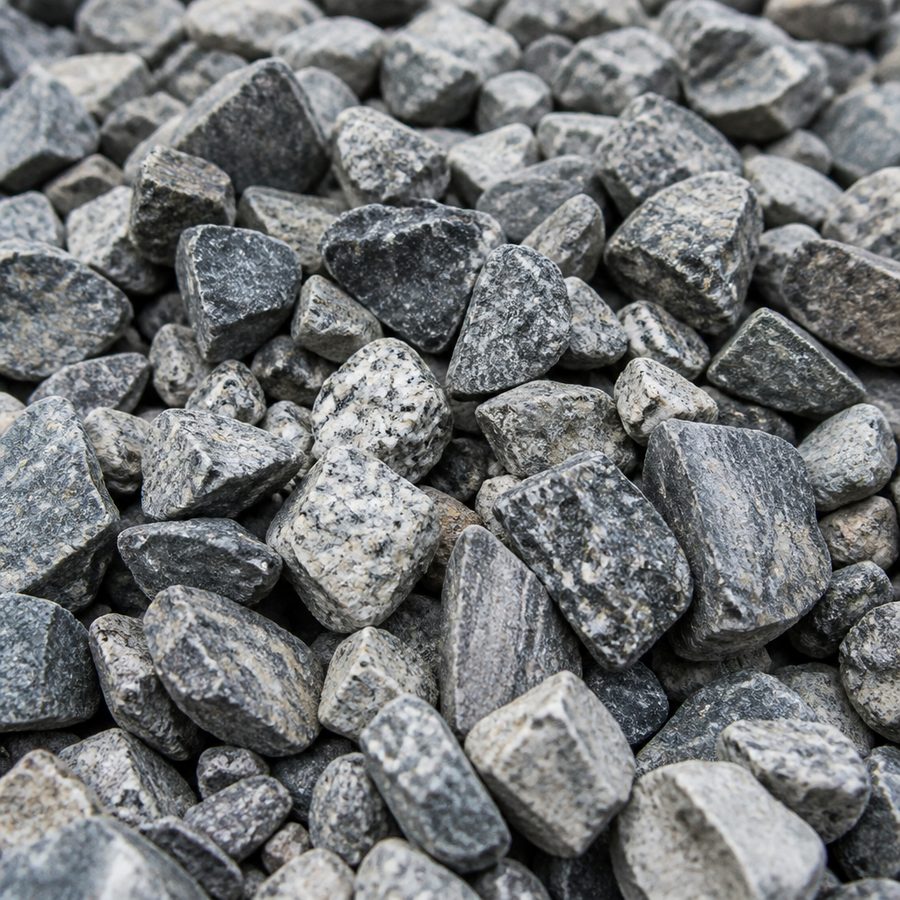
Coarse gravel and aggregate assessed by Soil Investigation Services
Best for foundations

Gravel

Coarse, angular, free draining and very hard to compress further once it is dense. Water passes straight through, so there is no pore pressure to worry about and settlement happens almost the moment the load arrives.

  • Typical bearing: 400 to 600 kPa when dense
  • Watch for: boulders that stop a rig, and voids in poorly graded fill
  • Suits: shallow pads and strip footings, often the cheapest foundation you will ever design
Best for foundations

Rock and weathered bedrock

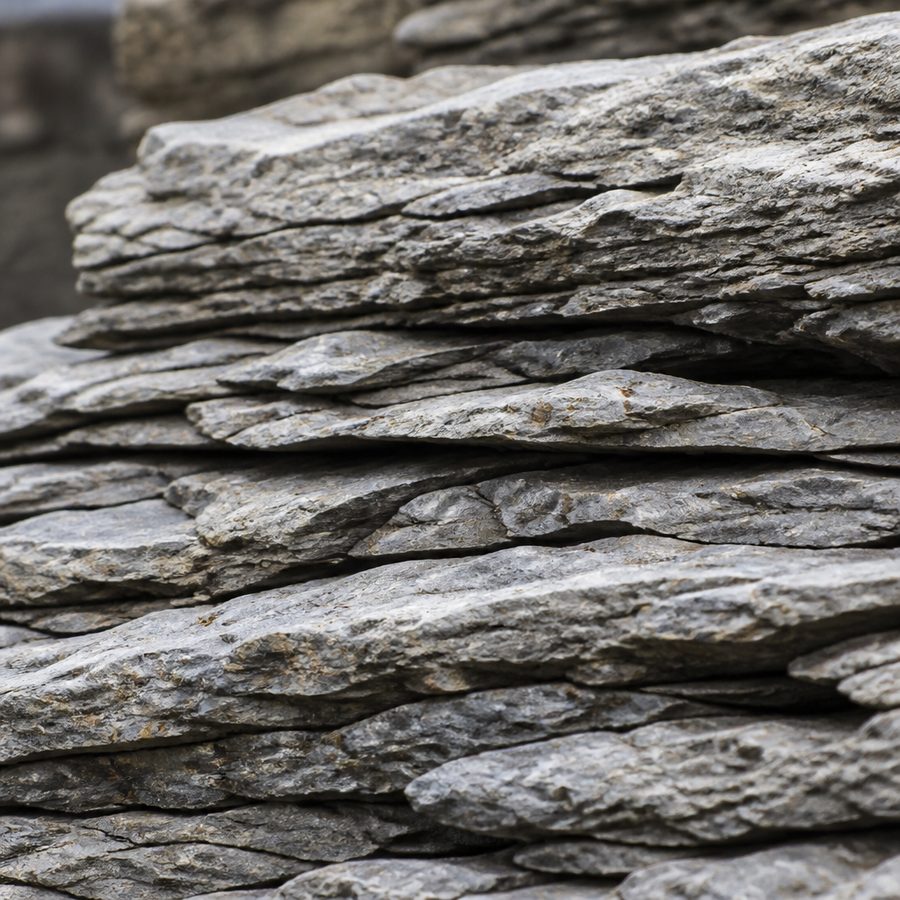
For normal building loads rock is effectively incompressible. The engineering question stops being "will it settle" and becomes "how weathered is the top of it, and how deep do I have to go to reach sound material".

  • Typical bearing: 1,000 kPa and well beyond, depending on the rock
  • Watch for: a weathered or fractured upper zone that is far weaker than the rock beneath it
  • Suits: anything. Heavy structures are socketed into it with piles
Weathered layered bedrock logged by Soil Investigation Services
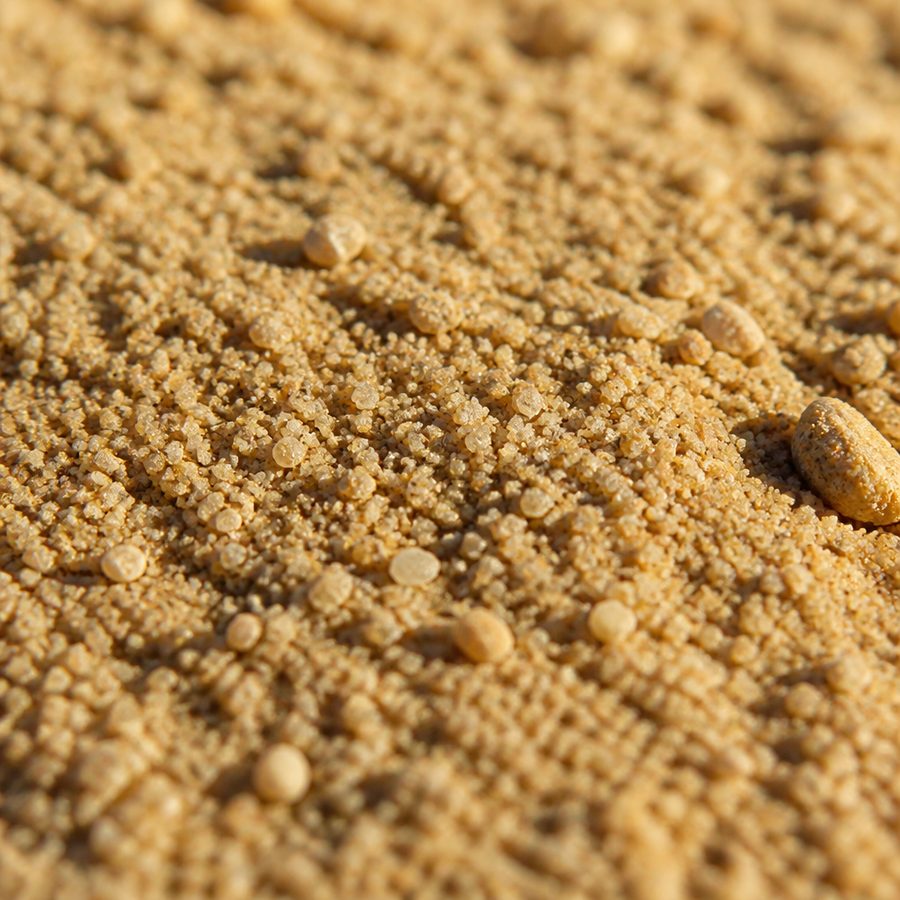
Dry sandy soil, one of the ground types assessed by Soil Investigation Services
Good, if it is dense

Sand

Everything depends on density. Dense sand is an excellent founding material that drains well and settles immediately. Loose saturated sand is one of the more dangerous materials in a seismic zone, because it can liquefy and lose its strength entirely during an earthquake.

  • Typical bearing: 100 kPa loose, up to 450 kPa dense
  • Watch for: liquefaction where SPT N is low and the water table is high, plus scour near water
  • Suits: pads and rafts when dense. Loose sand is usually densified or bypassed with piles
Middle ground

Loam

A balanced blend of sand, silt and clay. Farmers love it, engineers are neutral about it. It carries moderate load and drains reasonably, but it holds organic matter and its behaviour shifts noticeably with moisture content.

  • Typical bearing: 100 to 200 kPa
  • Watch for: organic content, which keeps compressing long after construction ends
  • Suits: low rise on widened strip footings, after the organic topsoil is stripped
Dark loam topsoil sampled by Soil Investigation Services
Cracked expansive clay soil investigated by Soil Investigation Services
Handle with care

Clay, especially expansive clay

Stiff clay carries respectable load, but it gives that load back slowly through consolidation settlement that can run for years. Expansive clay is the bigger problem: it swells when it gets wet and shrinks when it dries, and that seasonal movement is what cracks boundary walls, floors and low rise structures across Pakistan.

  • Typical bearing: 75 kPa soft, up to 300 kPa very stiff
  • Watch for: a high plasticity index, deep desiccation cracks, and trees near the footprint
  • Suits: founding below the active zone, stiffened rafts, or piles through to a stable stratum
Test it properly

Silt

The awkward one. Too fine to drain like sand, not cohesive enough to behave like clay. It holds water, loses strength when disturbed, and saturated silt is liquefaction prone. It is also the material most often misidentified by eye on site.

  • Typical bearing: 75 to 150 kPa
  • Watch for: collapse on wetting, frost and scour susceptibility, and very slow drainage
  • Suits: rarely founded on directly. Usually improved, replaced or piled through
Fine grey silt soil tested by Soil Investigation Services

The country changes under your feet.

Broad patterns only. Every one of these regions still needs its own investigation, because ground varies over metres, not kilometres.

Karachi and the coast

Sandy and silty deposits over stiff clay, shallow saline groundwater, and sulphate levels that regularly dictate the cement type. Liquefaction screening matters near the creeks.

Indus plain, Punjab and Sindh

Deep alluvial silts and fine sands laid down by the river. Uniform looking but variable with depth, with a water table that moves seasonally.

Northern and seismic zones

Rock at or near the surface in places, colluvium and slope debris in others. Seismic design parameters and slope stability drive the investigation.

Balochistan and Gwadar

Weathered mudstone and sandstone, gravel fans, and arid ground with aggressive salts. Deep foundations are common for anything substantial.

Expansive clay belts

Found in pockets across Punjab and interior Sindh. Seasonal swell and shrink is the dominant design problem, not bearing capacity.

Reclaimed and filled land

Increasingly common around growing cities. Fill is uncontrolled until proven otherwise, and it must be investigated as an unknown.

Soil questions we answer weekly.

Cutaway of the earth showing soil strata, Soil Investigation Services
Dense gravel or sound rock, with dense sand close behind. All three carry high loads, settle quickly and drain well. The practical answer for most sites, though, is that you build on whatever is there and design the foundation to suit it.
You can make a reasonable guess between gravel, sand and clay by hand texture. You cannot judge density, strength, plasticity, chemical aggressiveness or how it behaves three metres down, and those are the properties that decide your foundation.
Clay minerals such as montmorillonite absorb water into their structure. Atterberg limits tell you the risk quickly: a plasticity index above about 25 with a high liquid limit puts a soil in the moderate to high swell category. A free swell or swelling pressure test confirms it.
The ingredients are loose saturated sand or silt, a shallow water table and seismic loading. If your site has all three, screening is done from SPT or CPT data against the design earthquake. Karachi sites near creeks and reclaimed areas are the usual candidates.
As background reading, yes. As a design basis, no. Ground can change completely across a boundary, and a report is issued for a specific structure at a specific location. Most approving authorities will not accept it either.
Options include excavating and replacing with engineered fill, vibro compaction or stone columns for loose granular soils, preloading with surcharge for compressible clays, and lime or cement stabilisation. Which one is economic depends on depth, the structure and your programme.

Stop guessing what is under your plot.

Three boreholes and a fortnight will tell you more than any amount of local opinion. Get a scope and a price.

Chat with us